How Long Does EV Charger Installation Take in Tustin?
How long EV charger installation takes in Tustin is really two timelines at once: the few hours an electrician spends mounting and wiring the unit, and the week or two of calendar time around it for a site assessment, a City of Tustin permit, and a final inspection. For a straightforward job on a modern 200-amp panel, the whole project can wrap inside a week. For an older Old Town home that needs a panel upgrade or a long conduit run, it stretches longer. This guide walks the process in order so you know which stage your home falls into before you book anything.
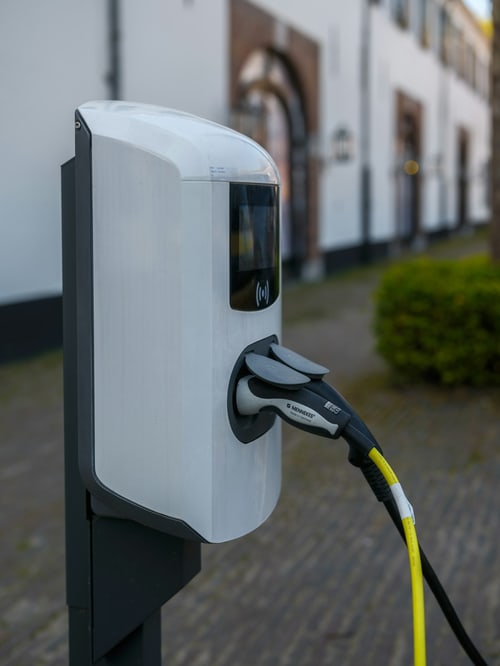
How Long Does EV Charger Installation Take, Start to Finish?
The physical work of installing a home Level 2 charger usually takes a licensed electrician a few hours, but the full project from first call to a charger you can legally use typically runs one to three weeks in Tustin. The gap between those two numbers is the part most homeowners underestimate: a site assessment has to happen, the city has to issue an electrical permit, and an inspector has to sign off after the work is done. The Alternative Fuels Data Center notes that Level 2 equipment runs on a 240-volt circuit installed by a certified electrical contractor, and that appropriate permits are often required before work begins. A newer home with a 200-amp panel and the parking spot near the service can clear every stage in under a week; an older property that needs a panel upgrade adds the longest delay.
Step One: The Site Assessment and Load Calculation
Every install starts with an electrician confirming the home can actually carry the new load, and this step is usually a single short visit. The City of Tustin's residential EV charger guidelines require a completed load calculation form showing that the existing electrical service can handle the added demand, so the electrician checks the main breaker rating, the open slots in the panel, and the distance from the panel to where the car parks. If the numbers clear, the job moves straight to permitting. If they do not, the assessment is also where a panel upgrade gets flagged, which changes the timeline before any wiring is touched. Booking this visit is often the real start date, and a reputable Tustin EV charger installer can usually schedule it within a few days.
Step Two: Pulling the Tustin Electrical Permit
A permit is not optional for a Level 2 charger, and it is the stage where calendar time is easiest to lose or save. Tustin's building division requires an electrical permit and inspections for Level 2 installations, and the application has to include the manufacturer's installation instructions and charger specifications alongside the load calculation. The city notes that the review and approval process can usually be handled over the counter or within a day or two when the paperwork is complete, so a well-prepared installer often has the permit in hand almost immediately. Where it drags is when a submittal is missing documents and has to go back for corrections. Pulling the permit is also the point at which trying to skip the process entirely goes wrong, because an uninspected circuit can surface later during a home sale.
Step Three: Installation Day and the Hours It Takes
On a straightforward job, the hands-on installation is a half-day of work. The electrician mounts the unit, runs conduit from the panel to the charger location, lands a dedicated 240-volt circuit on a correctly sized breaker, and either hardwires the charger or fits a NEMA 14-50 outlet. Tesla points out that the Wall Connector's lightweight design allows for indoor or outdoor mounting and that the breaker should match the vehicle's onboard charger, which is why the mounting spot and amperage are settled before the crew arrives. A clean garage install near the panel can be done in two to four hours. The hours stretch when conduit has to cross the house, climb an exterior wall, or reach a detached garage, which is where a one-day job still fills the whole day.
Step Four: Inspection and Final Sign-Off
No Level 2 charger is finished until the city inspects it, and in Tustin that step moves faster than most people expect. The guidelines state that an inspection of the work must be scheduled with the building inspector, and that inspections are typically performed on the work day following the request. In practice that means a charger wired on a Tuesday can often be inspected Wednesday, and once it passes, the circuit is cleared for everyday use. The inspector checks the breaker sizing, the conductor gauge, the grounding, and that the unit carries a recognized safety listing. Scheduling the inspection the moment the wiring is done, rather than days later, is the simplest way to keep the back end of the project short.
What Makes a Tustin Install Faster or Slower
The single biggest variable is the electrical panel. Many of the older homes around Old Town Tustin still run on 100-amp or 125-amp service, and when a load calculation shows no room for a charger circuit, an electrical panel upgrade has to happen first, often coordinated with Southern California Edison, which can add a week or more. Newer tracts like Tustin Legacy and Columbus Square were typically built with 200-amp service and far more headroom, so those installs tend to move quickly. Distance is the second variable: a charger on the garage wall shared with the panel is fast, while a run to a detached garage or across a long exterior wall adds labor and sometimes trenching. SCE notes that installation typically runs $400 to $1,500, and more when a panel upgrade is involved, and the jobs at the high end of that range are the same ones that take the most calendar time.
Timing Your Install Around the SCE Rebate
Timing matters for more than convenience, because the main local incentive is on a clock. Southern California Edison's Charge Ready Home program offers up to a $4,200 rebate when a qualifying Level 2 charger is installed within 120 days of purchasing the EV. A project that drags because of a late permit or an unplanned panel upgrade can eat into that window, so a buyer who knows a new car is coming is better off booking the site assessment early rather than waiting until the car is in the driveway. Starting the Level 2 EV charger installation process while there is still runway on the rebate clock is the difference between claiming the incentive and missing it on a technicality.
The Install Timeline at a Glance
- Site assessment and load calculation: a single short visit, often booked within a few days.
- City of Tustin electrical permit: frequently approved over the counter or within a day or two.
- Installation day: roughly two to four hours for a clean job near the panel.
- Inspection: usually scheduled for the work day after the request.
- Add about a week or more if the panel needs upgrading before the charger circuit goes in.
The address decides much of the timeline. An older home near Old Town Tustin is more likely to need a panel upgrade and a longer schedule, while a newer Tustin Legacy or Columbus Square home with 200-amp service often clears every stage in under a week.
Frequently Asked Questions
Can an EV charger be installed in one day?
Often yes, once the permit is in hand. The physical wiring on a straightforward garage install takes only a few hours, so the install itself fits in a single day. The longer part of the timeline is the permit beforehand and the inspection afterward, not the hands-on work.
How long does the Tustin permit take?
Tustin's building division notes that the review and approval for a residential EV charger can usually be done over the counter or within a day or two when the application is complete. Missing documents are what cause delays, so a prepared installer often secures it almost immediately.
Do I need an inspection, and how long does it add?
Yes. Level 2 charger installations require an inspection in Tustin, and the city typically performs inspections the work day following the request. That usually adds only a day or so to the back end of the project once the wiring is complete.
What makes an installation take longer than a week?
A panel upgrade is the usual reason. If a load calculation shows an older 100-amp service cannot carry the charger circuit, the panel has to be upgraded first, often with SCE coordination, which can add a week or more before the charger is even wired.
Does a hardwired charger take longer to install than a plug-in one?
Not meaningfully. Hardwiring a unit and fitting a NEMA 14-50 outlet are both a few hours of work for an electrician. The bigger time factors are the circuit run distance and whether the panel has capacity, not the connection method itself.
Want a Firm Timeline for Your Home?
Tell us your panel rating and where you park, and we will map out the assessment, permit, and install days before you commit to anything.